
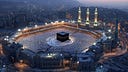
How to Plan and Perfect Your Trip to Makkah and Madinah
Easy Steps to a Successful Pilgrimage

Preparing for your Minor Pilgrimage, or Umrah, is no small task. For many, this is a unique opportunity to strengthen their spirituality. Since it could be a once-in-a-lifetime opportunity, preparation is essential. This preparation should be both logistical and spiritual. Ultimately, your efforts in planning will facilitate a memorable Umrah pilgrimage experience that will last a long time.
To start planning, don’t forget the admin details first. This lets you focus on the spiritual aspects once you arrive. While planning your travels, consider how you will return the favor. For example, you can gift a Quran in Makkah to the holy sanctuary. This is a lovely ongoing charitable donation. Another way to make sure your trip is smooth and blessed is to remember other people. Through the trustworthy organization, Lands OF Haram, you can plan an Umrah Badal for those who can’t physically travel.
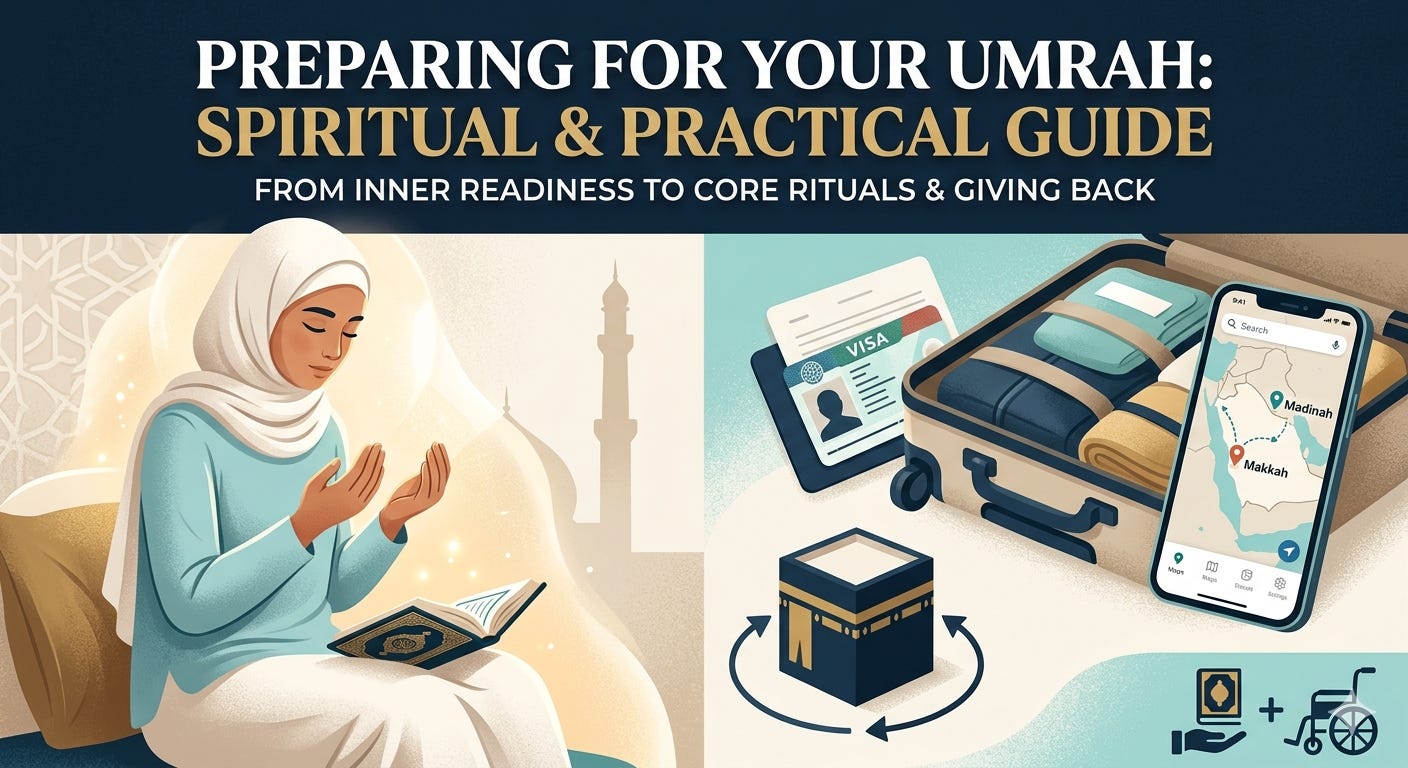
Part 1: Spiritual and Mental Preparation
Even before the packing begins, the true journey must happen in the heart and mind. Inner readiness is what makes the pilgrimage successful.
1. Deepening Your Commitment
This is not a box-checking exercise. Take the time to think about each of the rituals and understand why each is performed.
Read Up: Get hold of a few simple books and listen to some simple lectures. Proportionate to the time and depth of the needed explanation is the inner meaning of the steps and the rituals. You will feel present to the exercise and the pilgrimage.
Ask About: Engage in conversation with people, friends and relatives, or some kind of scholars. Personal insights are of great value. Each action you take means something, and knowing what that value is in each action is vital in taking full advantage of the reward.
2. Seeking Sincere Forgiveness
This entire journey or trip is about acquiring the mercy of the Creator. Take some time before you begin the trip in silence.
Clear Your Slate: Forgive those whom you have wronged. Apologizing is a necessary part of the trip.
Settle Disputes: Any Disputes or unresolved issues must be settled. This journey should begin with a light heart.
3. Purify Your Intentions
Your niyyah, or sincere intention, must be sound.
Focus on the Divine: Make sure you are performing this act of worship only for the sake of the Creator. It’s not a holiday, a photo opportunity, or a social event. It is a profound act of submission and devotion. This singular focus will help keep you centered throughout the sometimes challenging journey.
Part 2: Important Logistics and Packing
Once your mind is ready, then you can start to… complete the practical’s… A well-planned trip is a stress-free trip.
1. Your Documents
Entering the holy lands is very particular. You need to verify things.
Passport Validity: Your travel document must be valid for at least 6 months after your arrival. This is a hard rule.
The travel permit: You need a specific permit (Visa) for the Minor pilgrimage. A good travel company that is licensed will be good to go. They understand the rules perfectly.
2. Health and Medical Records
Be proactive about your Health and Medical Records. This is essential, most importantly if you have previous health problems.
Required Documents: Have any medical records or vaccination certificates, if any.
Health Comfort: For chronic health conditions, inform your travel organizer. You may need special arrangements. These steps make sure you travel safely and comfortably.
3. Booking the Trip
Early booking is the best way to make sure you will have the best value and stress-free travel.
Flights: Get your plane tickets for your travel well in advance to secure better deals and travel times that are more convenient.
Where to Stay: Your lodging should be within proximity to the Grand Mosque in Makkah. The proximity to the Prophet’s Mosque in Madinah is also essential. Being close will result in minimal travel times. This will result in maximum time for worship. Numerous travel specialists provide packages that combine flights with accommodations. This greatly eases the entire process.
4. Packing for the Pilgrimage: Minimize, be practical, and very comfortable
Ihram Garment: This too is your ritual attire. For men, it comprises two simple, unstitched white garments. Be sure to keep them clean. You will need them when you enter the state of Ihram. Of all your garments, the Ihram is the only exception. The simplicity of the Ihram Garment unfolds inner meaning. Before the Creator, all are equal. This uniform removes discrimination of all kinds.
Personal medications: Bring all the necessary medications, including those prescribed to you and your small basic first aid kit.
Essential Items: Your most comfortable and well-worn shoes are a must. Don’t forget your basic toiletries, money pouch, and portable phone charger. A small, lightweight bag is extra useful during the circumambulation ritual.
Money Matters: For convenient small purchases, it is advisable to bring a little local cash (Saudi Riyal). Also, it is nice to have money on hand.
Part 3: Arrival and The Core Rituals
After landing and customs, your spiritual journey begins.
1. Travel Etiquette
Consider that rush space is prefilled by those partaking in a journey of devotion.
Being Travelling Kind: Travel may be tiring; however, you must remain calm and considerate. Respect must be offered to every person, including co-passengers and staff in the airport. Good manners are essential in such a blessed place.
2. Entering the State of Ihram
Upon reaching Makkah, you will be preparing to enter the state.
Purification: You will take a shower (Ghusal). Then, you will wear the Ihram.
Intention (Niyyah): Express the intention for performing the Minor Pilgrimage. Once this is done, the rules of Ihram must be followed.
3. Performing the Rituals
This is the core of the entire journey.
The Circumambulation (Tawaf): Go to the Grand Sanctuary. Perform the Tawaf. This means walking counterclockwise around the Holy Structure seven times. Start at the corner of the Black Stone. Men keep their right shoulder exposed during this ritual.
The Striving (Sa’i): After Tawaf, you perform Sa’i. This involves walking briskly seven times. You walk between the small hills of Safa and Marwah. This recalls the story of Hajar.
The Conclusion (Tahallul): This marks the end of the ritual state. Men must shave or trim their hair. Women must cut a small lock. This simple act is a symbol of humility and submission.
Part 4: Sustaining the Spiritual High and Giving Back
Your time in the holy cities is an opportunity. Use it for intense worship and charity. It goes beyond the core rituals.
1. Engaging in Extra Acts of Worship
Use every minute wisely. The rewards for good deeds are multiplied in this place.
Voluntary Prayers: Spend extra time performing optional prayers.
Reading the Holy Text: Dedicate a large amount of time to reciting the Holy Book. Reflect on its meaning. It’s a great chance to place a Quran in Makkah and Madinah for others to use during their prayers. This is a form of lasting charity.
Seeking Knowledge: Attend religious lessons offered in the sacred mosques.
2. Supporting Pilgrims and the Community
Charity is central to your faith. There are countless ways to help the Creator’s guests during your stay.
Accessibility: Think of the elderly or those with mobility problems. A wonderful way to help is to gift a wheelchair in Makkah. This simple act can ease a physical burden. It lets a fellow pilgrim complete their worship with dignity.
Comfort: While you are in Madinah, think about those who walk for hours every day. The simple comfort of footwear helps immensely. An act like providing for the needy, such as to Gift shoes to pilgrims, supports the large population of visitors.
Supporting the Future: Give in Makkah, and also support the Prophet’s City. A superb Sadaqah Jariyah (ongoing charity) is to gift a wheelchair in Madinah. This is for use in the Prophet’s Mosque or surrounding areas.
Lands of Haram gives an essential link for Muslims globally. They want to serve the pilgrims and the community in the sacred cities. Through their transparent services, you can fulfill the major religious duties. These include Qurbani (sacrifice), Fidyah (compensation for missed fasting), and Kaffarah (atonement). They also manage Damm Qurbani (sacrificial offering for religious error). Or you can perform simple yet powerful acts like fasting. They ensure your charity is executed correctly and ethically. They provide regular updates. This gives you full peace of mind. They also offer authentic dates. They source pure Zamzam water directly from the holy lands. This makes supporting pilgrims and local producers easier than ever.
3. The Final Rituals and Departure
Farewell Circumambulation (Tawaf al-Wida): If time permits before leaving Makkah, perform this final circuit of the Holy Structure. It is optional but highly recommended. It is a beautiful way to say goodbye to the sacred sanctuary.
Gratitude: Leave Makkah with a heart full of thankfulness. Have a strong resolve to keep the spiritual lessons you learned alive. Practice them in your everyday life. The real success of your journey is the positive transformation it brings to your heart and soul.
Always stay humble, sincere, and mindful of the Creator’s presence throughout your journey. Your ultimate goal is His pleasure and forgiveness.
Frequently Asked Questions
In what ways does ‘Ihram’ complement the notion of equality among pilgrims?
The state of Ihram signifies the complete removal of all distinctions before the Creator. In this state, each male pilgrim is equal regardless of their wealth, status, or origin. Boundaries of wealth, class, and social status are all erased. When a rich person and a common laborer, in the exact same physical and devotional garb, stand next to each other, a powerful sense of humility and unity is created. It reinforces the notion that a sinner’s dirty rags are of the same value as a noble’s rich robe. In the eyes of the Creator, only sense and virtue count, for material and worldly possessions are of no concern.
Besides the core rituals, what is the best way to maximize my time in Makkah and Madinah spiritually?
To truly maximize the spiritual benefits beyond the necessary rituals, dedicate significant time to non-obligatory worship acts. These are things you might normally rush through. This includes spending silent, reflective time in personal supplication (Dua). Also, commit to a complete, thoughtful reading of the Holy Text. Furthermore, engage in subtle acts of kindness. For example, help an elderly person. Offer water to a tired pilgrim. Or arrange to Gift a Quran in Makkah through a trusted charity. These simple actions can yield immense rewards. The focus should be on sincere devotion, gratitude, and selfless service to others.
What purpose do organizations like Lands of Haram serve in relation to my spiritual obligations and charity, and in helping me meet my spiritual obligations?
Fulfilling my spiritual obligations is important to me and is possible with the help of organizations like Lands of Haram. They serve as a reliable and convenient link. They make it possible for Muslims, regardless of their location, to meet key religious and charitable obligations in the holy cities. They make the completion of religious duties, which hold great value, such as arranging Qurbani or proxy Umrah Badal, much easier. They ensure that everything is done properly, and they employ trustworthy people who fulfill the religious obligations. This is particularly important if you are trying to fulfil your fidyah or kaffarah. Direct charity is a great source of comfort as it is certain to aid the needy. This includes helping the hungry during iftar, providing the essentials to pilgrims, and benefiting those with dire conditions. They handle everything that is needed and provide the transparency that is required.